Can you use a vibrator while pregnant? An Illustrated Guide


Are you pregnant and wondering if using a vibrator during pregnancy is "okay"... or if it's a bad idea? Rest assured: you're not the first to ask this question, nor the only one who wants to continue enjoying a gentle, reassuring, and pleasurable sex life during pregnancy.
In this article, I'm going to clearly explain whether it's safe to use a vibrator during pregnancy , under what conditions, which techniques to prioritize, what to avoid, and how to stay comfortable (and pleasurable) without stress. And between us… when the body changes and sensations shift, a well-chosen little boost can make all the difference.
I rely on medical recommendations and data from studies (particularly American ones) to give you an answer that is practical , reassuring and truly useful.
Vibrators and pregnancy: what you need to know before you start

Combining vibrators and pregnancy might seem intimidating at first… but in reality, it’s often much simpler (and more reassuring) than you might imagine. Pregnancy doesn’t automatically “cut off” pleasure: it transforms it. And sometimes, it even makes it more intense, deeper, more sensual.
The idea isn't to do things "as before" at all costs, but to offer you a gentler, more mindful, and more respectful exploration of your body. Because yes: a vibrator can be used in most cases, as long as you listen to your body and your pregnancy doesn't present any contraindications .
- OK in most cases if the pregnancy is uncomplicated
- Strict hygiene before/after each use
- Gentleness : light intensity, no sudden movements
- Medical advice is needed if you have a high-risk pregnancy, pain, bleeding, or contractions.
Pregnancy and vibrators: why the question often arises
Pregnancy is a real sensory upheaval. Some women become more sensitive to the slightest touch, others feel "disconnected" for a few weeks… and many fluctuate between the two. Libido can rise, fall, and then rise again without warning. And I'm telling you this as if you were a friend: it's perfectly normal.
Between more reactive breasts, increased blood flow to the pelvis, cramps, fatigue, sometimes nausea, or simply discomfort… the body no longer responds in quite the same way. So naturally, the idea of using a vibrator can raise a very legitimate question: “Can I do this without risk to my baby?”
And what strikes me is that almost all of them end up saying the same thing: when you feel reassured, when you understand the right techniques, the pleasure returns with a different kind of gentleness… slower, more enveloping. Without pressure. Without performance. Just you, your sensations, and this changing connection with your body.
Is it safe to use a vibrator while pregnant? (clear answer + conditions)
Yes, you can use a vibrator while pregnant in most cases , as long as the pregnancy is progressing normally… unless you have a medical contraindication or signs that require caution.
In other words, if everything is going well, if you have no unusual pain, bleeding, or particular health problems, there is generally no reason to avoid pleasure. Healthcare professionals often remind us that sexual activity (including orgasm) is usually safe during an uncomplicated pregnancy.
But (and this is important): every body is different, and so is every pregnancy. A vibrator provides mechanical stimulation. So the golden rule is this: if your body says "no," stop . Even if "on paper" everything seems fine. And if I can share something with you… it's often listening to your body that makes the experience much more pleasant, more serene, more sensual.
When it's generally OK (uncomplicated pregnancy)
In an uncomplicated pregnancy, using a vibrator can be a very gentle way to rediscover pleasure, release tension, and reconnect with your body. Many women tell me it helps them feel "like themselves" despite the changes... and frankly, I totally understand.
In practice, it is often considered favorable if you are in these conditions:
- No pain during or after stimulation
- No bleeding (even slight) related to the activity
- No unusual contractions triggered by stimulation
- No medical contraindications have been given by your doctor or midwife.
- Pregnancy considered “low risk” and normal monitoring
- Desire present (even a timid one) and generally pleasant sensations
The goal isn't to "do it hard." It's to do it right . With an intensity that caresses you rather than shakes you. You'll see, the first attempt is always surprising… because the sensations can be different, sometimes more diffuse, sometimes much more intense.
When it's best to avoid it or seek professional advice
There are situations where caution is non-negotiable. Not to scare you, but to protect you and your pregnancy. And between us… getting reassurance from a doctor or midwife takes a huge weight off your shoulders, and allows you to enjoy life with much greater peace of mind.
- Bleeding , even slight, before or after use
- Unusual or persistent pelvic pain
- Regular, painful contractions , or contractions that increase after stimulation
- Threat of premature birth or history of prematurity
- Placenta previa (lowly inserted placenta) or suspicion
- Shortened cervix or cervical fragility (according to medical advice)
- Loss of fluid or suspected rupture of the amniotic sac
- Ongoing vaginal infection (yeast infection, bacterial vaginosis, etc.)
If you find yourself in one of these situations, the right thing to do is simple: avoid it or seek medical advice beforehand. It's not a definitive "no" to pleasure, it's just a smart way to stay safe.
Vibrator during pregnancy: clitoral stimulation or penetration?
When talking about vibrators during pregnancy, the real question is not just “is it allowed?”, but rather: what kind of stimulation is the most comfortable and reassuring for you.
Because your body changes, so does your sensitivity. Some women love penetration during pregnancy, while others suddenly find it too intense, too "full," or downright uncomfortable. And that's where I assure you: there's no right or wrong way to do it, only the way that feels good for you.
Option 1: external stimulation (clitoris)
Often the simplest, the easiest to dose, and the one that allows you to maintain total control over the intensity. It is also the easiest to stop immediately if a sensation becomes strange or too strong.
Option 2: Penetrating stimulation
Possible in some cases, but it generally requires more precautions: impeccable hygiene, extreme gentleness, generous lubrication and above all a very fine listening to sensations (because the area may be more sensitive and more vascularized).
Clitoral vibrator: the simplest and often best-tolerated option
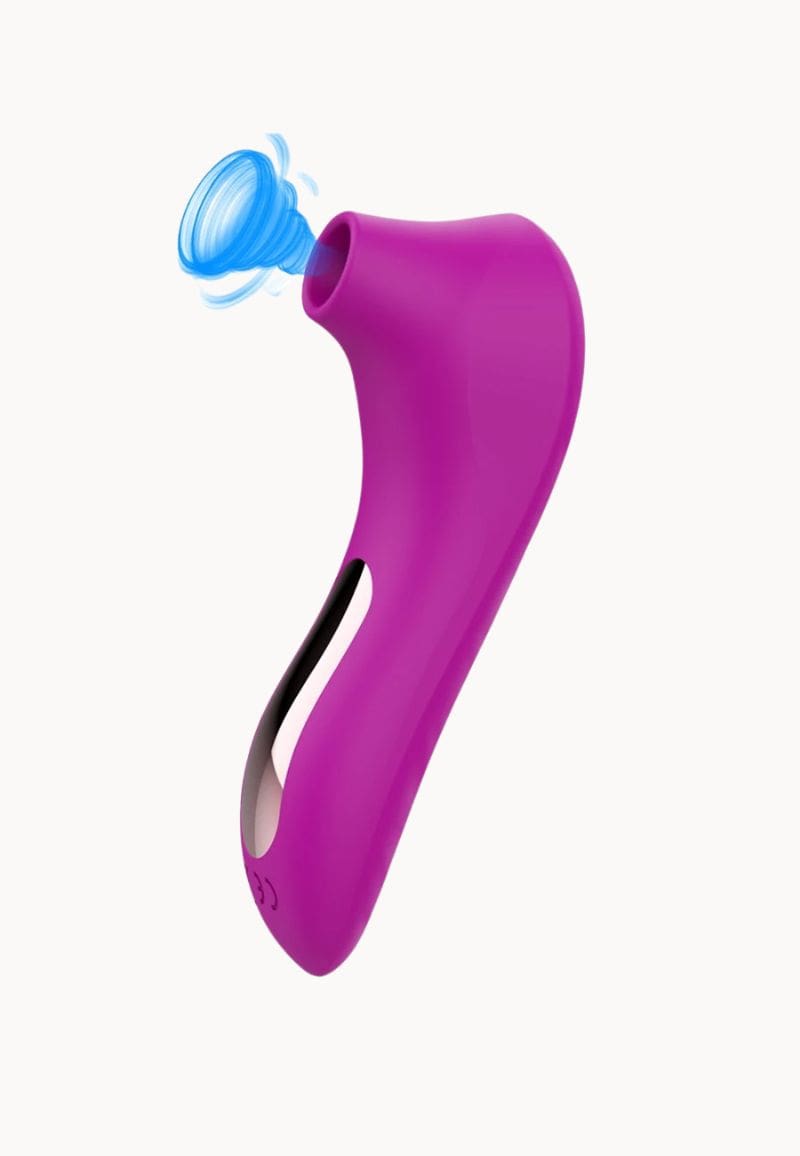
If you're looking for a reassuring, easy-to-use, and frankly very enjoyable option, a clitoral vibrator is often an excellent choice. Because it stimulates without being intrusive, and most importantly: you're in complete control. The intensity, the angle, the duration… it's all up to you.
Many women tell me that during pregnancy, the clitoris becomes more responsive, sometimes even more eager. And that makes sense: blood flow increases in the pelvic area, which can make sensations more intense, faster… and sometimes a little surprising (in a good way).
My simple tips for staying in a delightful and comfortable zone:
- Start very gently , even if you are used to stronger stimulation.
- Opt for a steady vibration rather than overly "dry" pulsations at the beginning.
- Keep your sessions short (you can always start again later).
- Try out comfortable positions : on your side, semi-reclined, or with a cushion under your pelvis
- Avoid pressing too hard : sometimes, a simple light touch is all that's needed.
And between us… there’s a little magical moment, when you feel your body suddenly relax, as if it were saying “ah yes, that’s it”. Believe me, it changes everything.
Penetration: additional precautions (if you are using one)
Penetration during pregnancy can still be pleasurable for some women, but it often requires more adjustments. The vagina may be more sensitive, the cervix more fragile, and the sensation of "pressure" may appear more quickly.
And I must admit that I was surprised the first time I was told this: many people think that penetration will necessarily be more pleasurable… whereas in reality, it is often external stimulation that becomes the most delightful.
If you are using a penetrative vibrator, here are the essential precautions:
- Water-based lubricant (essential, even if you didn't need it before)
- Absolute gentleness : no rapid back-and-forth movements, no sudden jerks.
- Controlled depth : stick to a light to moderate insertion, without trying to go “further”.
- Stop immediately if you experience pain , discomfort, a pulling sensation or cramps.
- Strict hygiene : wash before/after, clean hands, sex toy thoroughly cleaned
- Avoid overly rigid or thick shapes if your body feels more "tense".
And frankly, who could resist maximum comfort? If your body prefers gentler, more external, slower stimulation… follow it. During pregnancy, pleasure is often a matter of nuance, not intensity.
Early pregnancy: vibrator, is it different?
Yes, the beginning of pregnancy with a vibrator can be a little different… simply because your body, at that time, is often in “major upheaval” mode. Intense fatigue, nausea, tender breasts, emotional roller coaster: even if the desire is there, the energy doesn't always follow.
And this is where I tell you something very important: you have nothing to prove . If you feel like it, you can explore. If you don't feel like it, you can also rest. Both are perfectly fine.
In the first quarter, the ideal is often to:
- Take it easy : gentle vibrations, no need for performance
- Prioritize comfort : side-lying position, cushions, slow breathing
- Choose short stimulations to avoid discomfort or fatigue
- Stay attentive : if a sensation becomes strange, stop, without insisting.
Many women tell me that at first, they need a more "tender," more enveloping pleasure, almost like a bubble. And you'll see... sometimes, a few minutes are enough to bring a little light back into the day.
Vibrator during late pregnancy: what to avoid and what can help
Towards the end of pregnancy, the body is often heavier, more sensitive, and sometimes a little "on edge." Using a vibrator during late pregnancy is still possible, but the approach must be even gentler, more tailored, and above all, focused on comfort.
At this stage, many experience minor and very common discomforts, such as:
- Sensation of pressure in the pelvis
- Contractions (sometimes Braxton Hicks contractions) that are easier to trigger
- Tension in the lower back and abdomen
- Vaginal discomfort or the feeling that “everything is tighter”
What can help is adapting your approach, without forcing yourself:
- Opt for external stimulation if penetration becomes too intense.
- Reduce the duration : a few minutes can be more than enough.
- Choose ultra-comfortable positions : on your side, semi-reclined, with cushions
- Avoid strong vibrations if you feel they are triggering contractions.
And between us… in the end, it’s not the time to “hold on.” It’s the time to pamper yourself. If stimulation relaxes you, makes you breathe more slowly, gently brings you back to your body: that’s often a very good sign.
Hygiene and safety: the golden rules when using a vibrator during pregnancy
When it comes to using vibrators during pregnancy , the real key isn't fear: it's smart safety. Because yes, pleasure is possible… but it must remain clean, gentle, and without unnecessary risks.
Your vaginal flora can be more fragile during pregnancy, and some irritations may appear more quickly. So, we're adopting simple, very "Helpful Content" habits that make all the difference. Here's your pregnancy vibrator checklist to keep in mind before each use.
- Wash the vibrator before and after each use.
- Use a suitable lubricant (ideally water-based)
- Start at a low intensity and only increase it if everything is comfortable.
- Avoid penetration if you feel pressure, discomfort, or pulling.
- Stop immediately if you experience pain, bleeding, cramps, or any other unusual sensations.
- Do not share without protection and never mix areas (anal → vaginal).
A little secret between us: this "safe" framework doesn't spoil the fun. On the contrary. When you know everything is clean and under control, you can let yourself go... and that's often the most exciting part.
Cleaning, materials, lubricant: the non-negotiable trio
If you only remember one thing, let it be this: during pregnancy, you want pleasure… but you also want zero irritation , zero infection , and maximum comfort. And that comes down to three very simple pillars: cleanliness , good material , and a suitable lubricant .
- Clean before and after each use (even if you used it the day before).
- Mild soap + lukewarm water (avoid harsh or perfumed products)
- Dry completely before storing (moisture promotes bacteria growth).
- Medical-grade silicone is recommended: non-porous, healthier, and easier to clean.
- Avoid porous materials (which more easily retain germs)
- Water-based lubricant : generally the most comfortable and compatible
- Avoid irritating products : those that are warming, perfumed, have a "cooling effect", or are too high in additives.
And I assure you, you won't forget the first time you try a good lubricant with gentle stimulation: everything becomes smoother, silkier… almost as if your body is saying “thank you”.
Intensity, duration, frequency: how to stay in a comfortable zone
During pregnancy, the key word is nuance . Your body may react more quickly, more intensely, or conversely, need more time. And that's precisely why it's better to aim for "comfort + pleasure" stimulation rather than seeking intensity.
Here are some simple guidelines to help you stay in a pleasant environment:
- Always start at the lowest level , even if you are used to higher levels.
- Opt for short sessions (a few minutes) and take a break if needed.
- Listen to your body in real time : if it becomes too intense, you lower your intensity or stop.
- Avoid numbness : if the area "goes numb," it's a sign that you need to slow down.
- Never force an orgasm : sometimes, pleasure is better when you let it come naturally.
- Adjust the frequency to your energy level and comfort (there are no fixed rules)
And between us… many women discover a slower, deeper, almost hypnotic pleasure. Less “explosive,” but so much more enveloping. Just try it once… and you’ll understand.
Sharing and using it as a couple: what changes
Using a vibrator during pregnancy can sometimes be a very personal experience… and sometimes a real opportunity for intimacy between partners. Many couples tell me it helps them maintain a sensual connection when penetration becomes less comfortable, or when their desire changes. And frankly, I assure you, it brings you closer than you might think.
But when it comes to sharing, there are a few simple rules to follow to maintain maximum safety:
- Use a condom on the sex toy if you share it (or if you alternate uses).
- Never go from anal to vaginal without thorough cleansing (ideally, avoid switching completely).
- Enhanced hygiene : systematic washing + clean hands + toy thoroughly dried
- Clear communication : you guide, you adjust, you say stop if a sensation changes
And a little secret between us: when it's done gently, it can become an incredibly tender moment. A couple I was working with told me, laughing, "We rediscovered the pleasure of taking our time." And honestly... that's often where the magic happens again.
Which vibrator should you choose when you are pregnant?
Choosing a vibrator during pregnancy isn't about finding the "best model" in the absolute sense. It's about comfort , control , and gentleness . Because when you're pregnant, your sensations can be more intense, but also more unpredictable. And you deserve a toy that adapts to you, not the other way around.
The goal is to find a vibrator that gently accompanies you: a pleasant vibration, easy to control, that doesn't startle you. And between us… when you have the right settings, a good feel, and quiet operation, you immediately feel freer to explore, without pressure.
I recommend you choose according to your current needs:
- You want something simple and reassuring : external stimulation, easy to stop
- You are very sensitive : gentle, progressive vibration, without “shock”
- You're short on energy : lightweight, handy, quick to use
- You and your partner are looking for : a discreet toy, easy hygiene, and safe shared use.
And if I can share something with you… many pregnant women love “gentle but precise” vibrators. Not necessarily the most powerful ones. Just the ones that hit exactly the right spot, with a clean, smooth, pleasant sensation.
The best formats for your comfort
When you're pregnant, the right format is the one that makes you say, "Ah... yes, that's easy." Easy to use, easy to control the dosage, easy to stop. And believe me, that detail makes all the difference: the simpler it is, the more relaxed you are... and the more wonderful the sensations become.
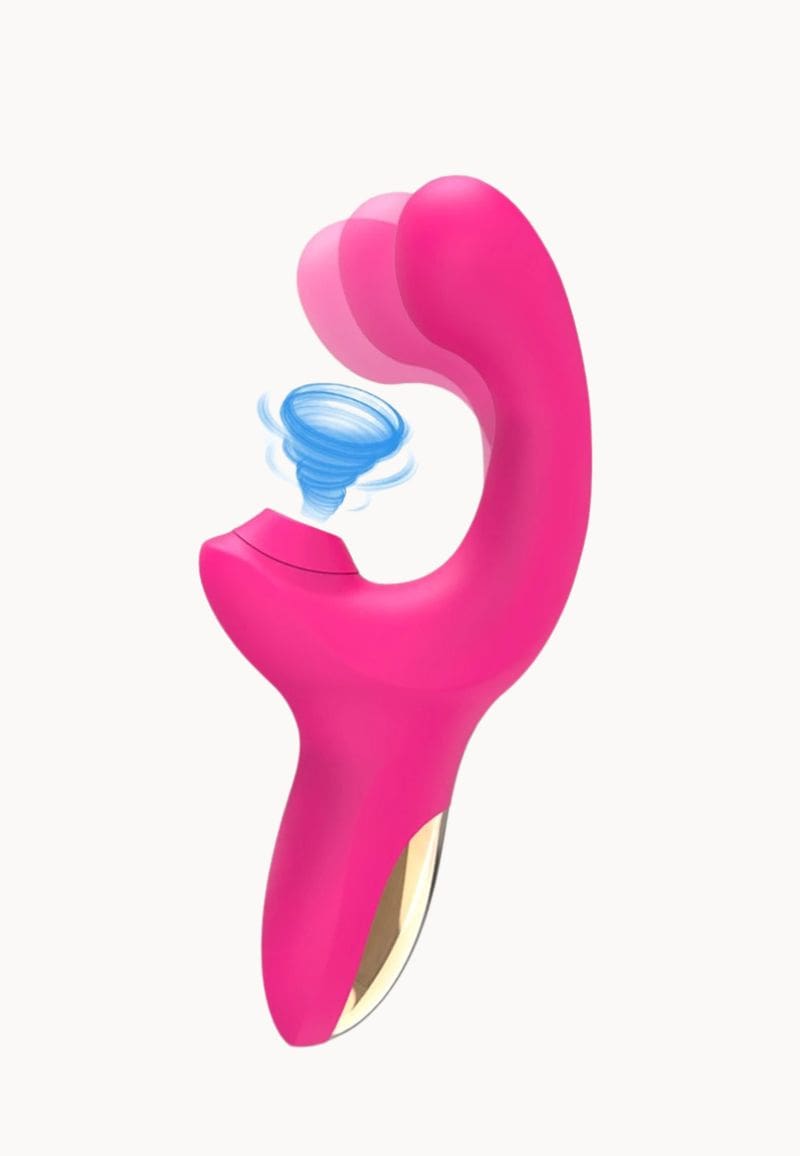
- External stimulator : ideal if you want something gentle, precise, and with zero pressure
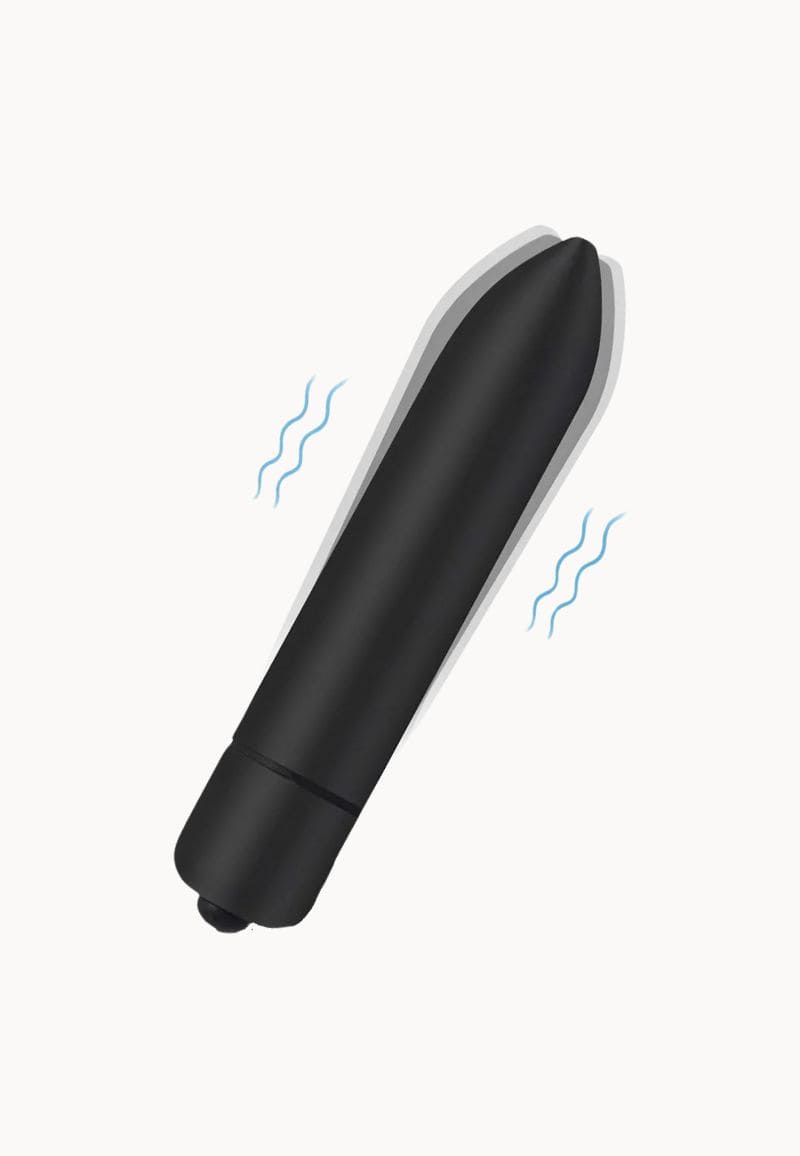
- Mini vibrator : small, lightweight, discreet, perfect when you're more sensitive or tired.
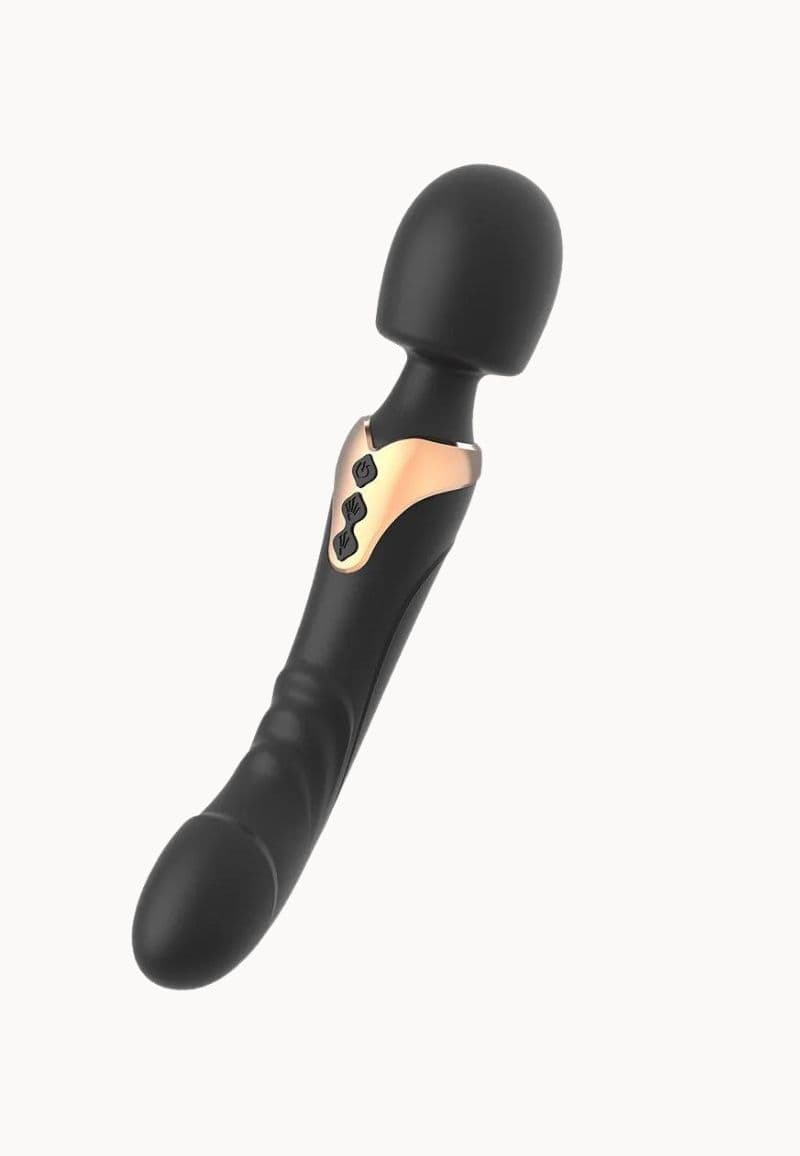
- Soft wand : for a more "rounded", more enveloping vibration (to be used at low intensity)
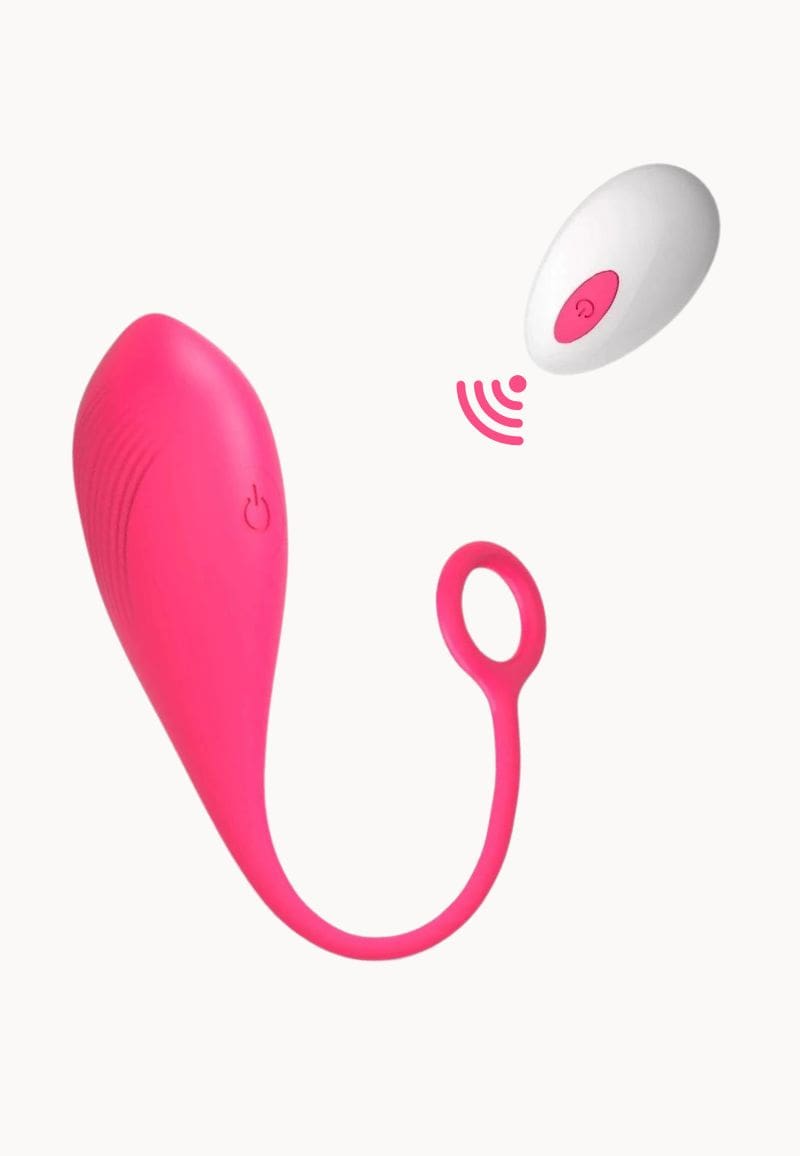
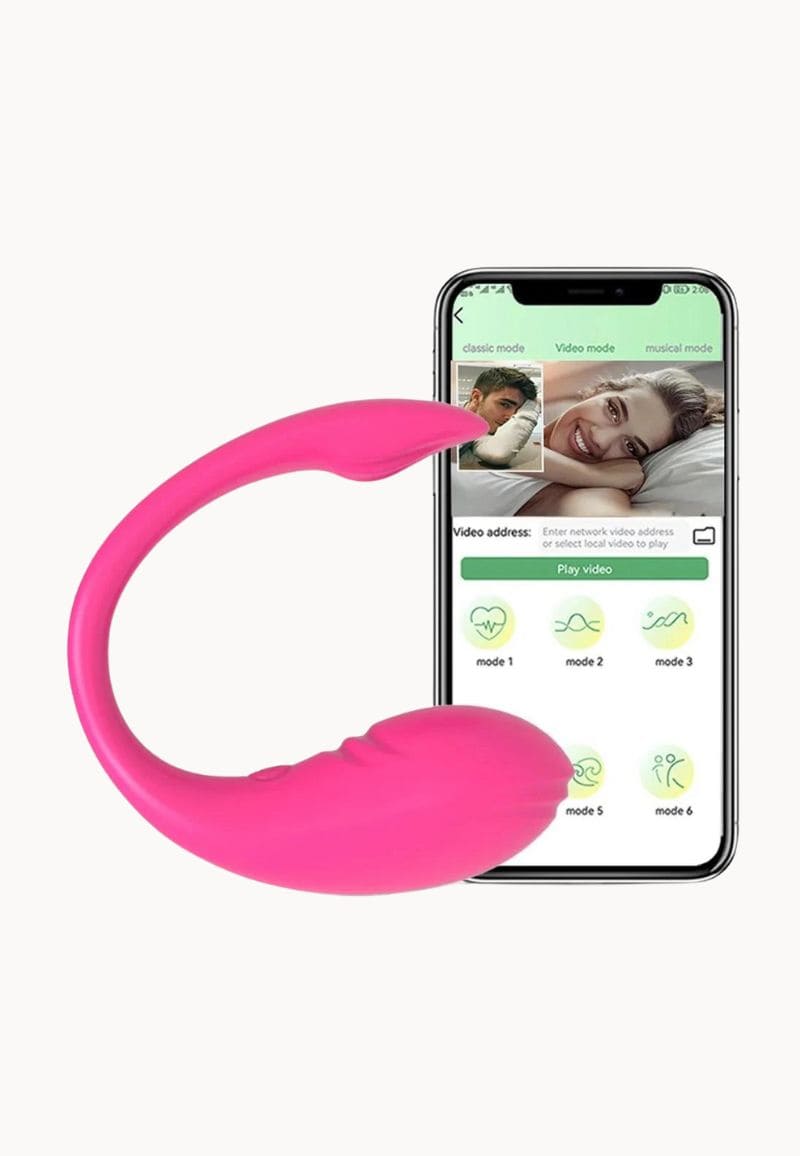
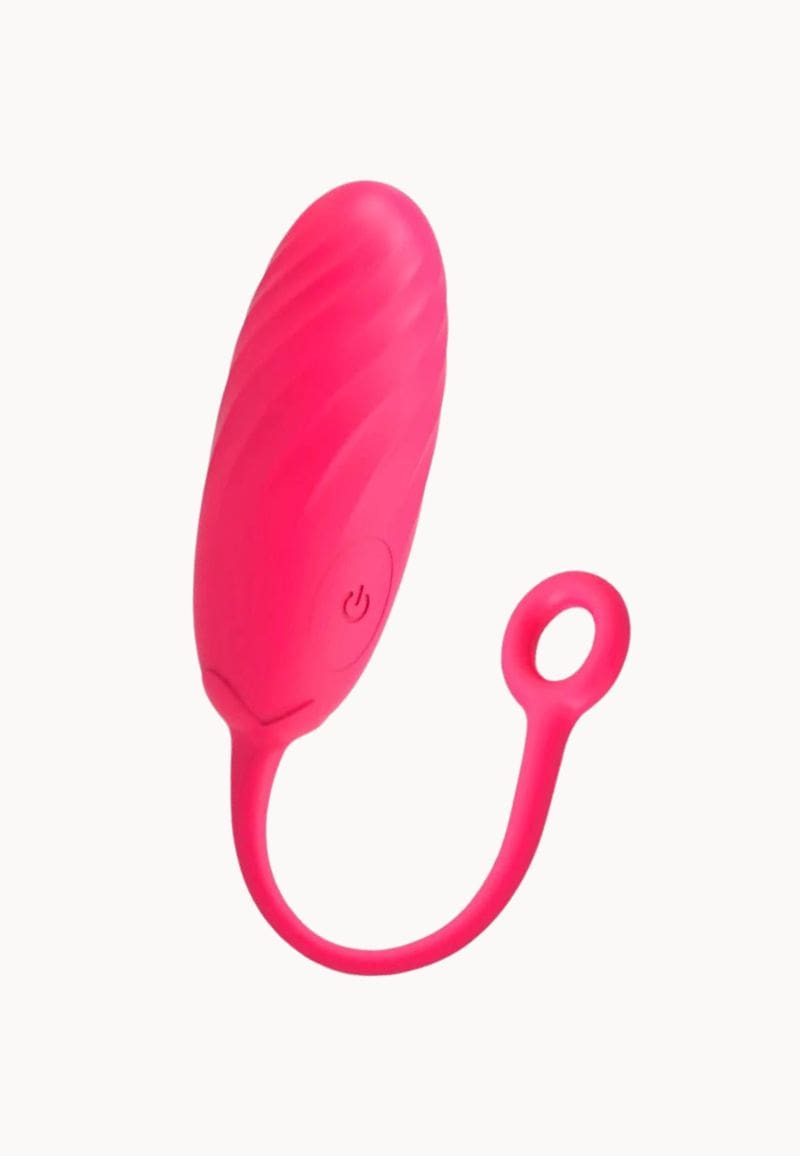
- Egg vibrator : possible if you are comfortable with internal stimulation and if everything is medically OK
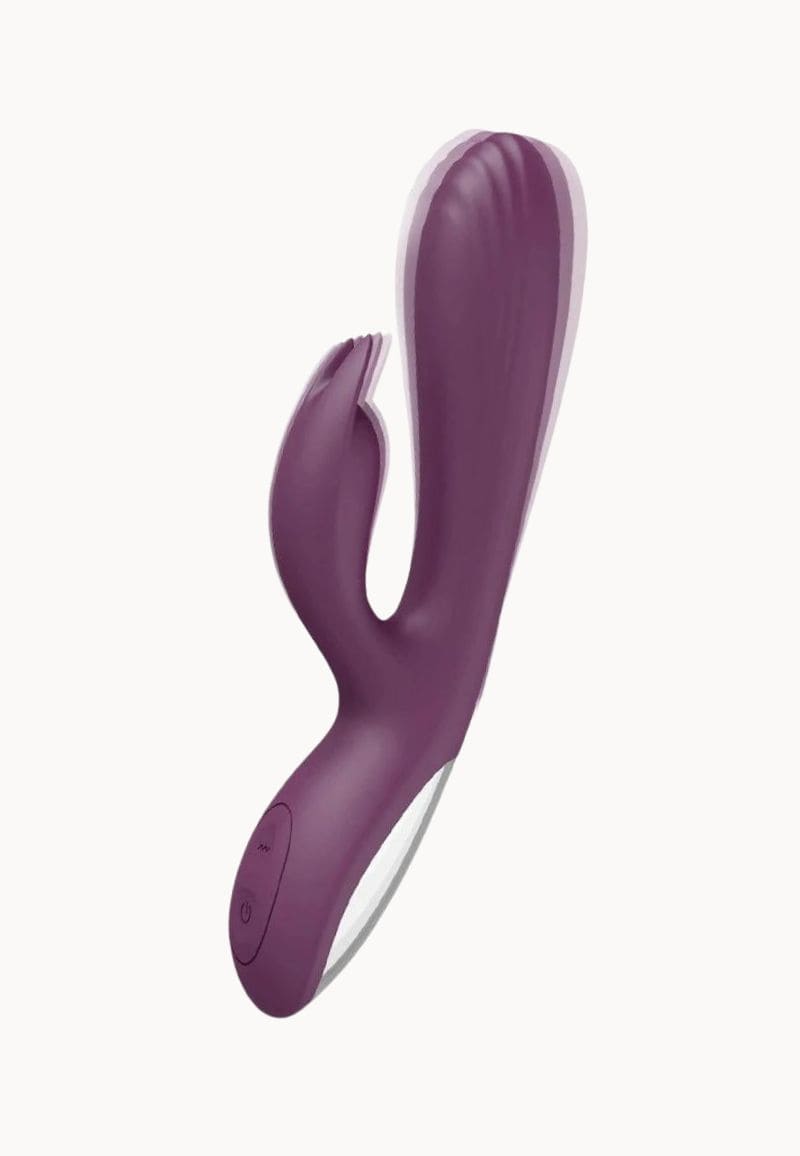
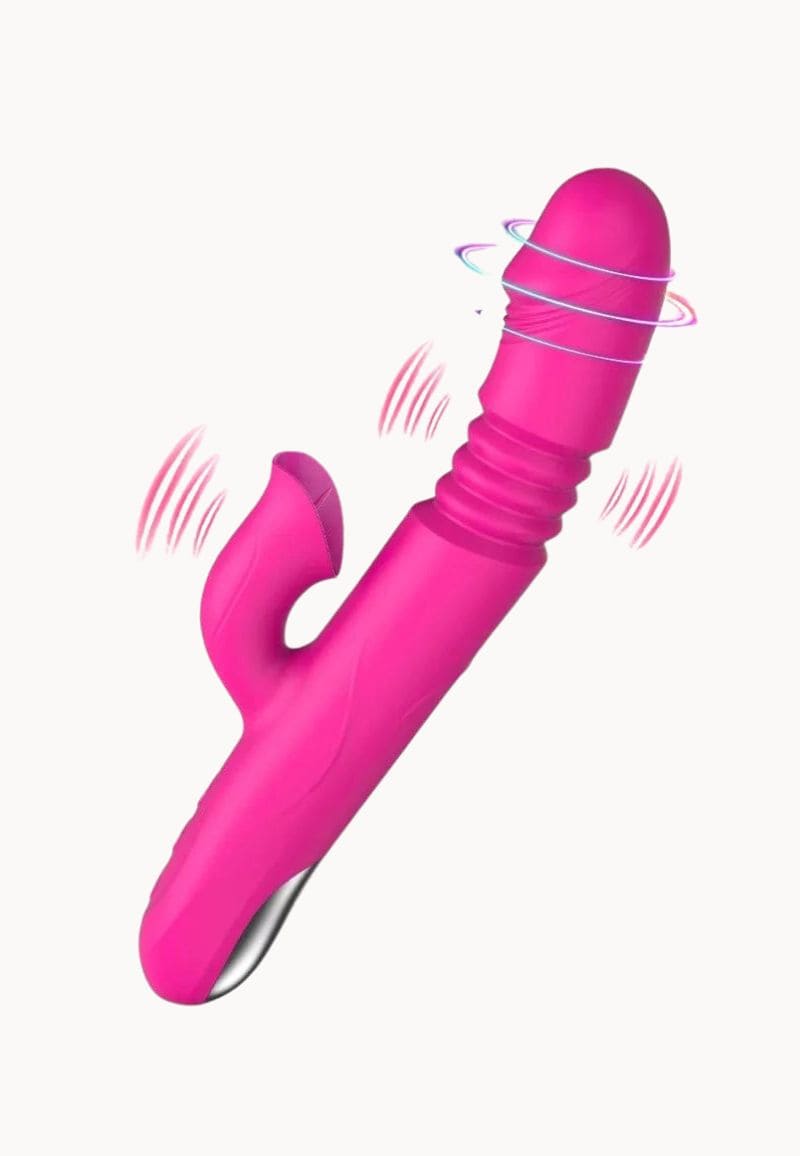
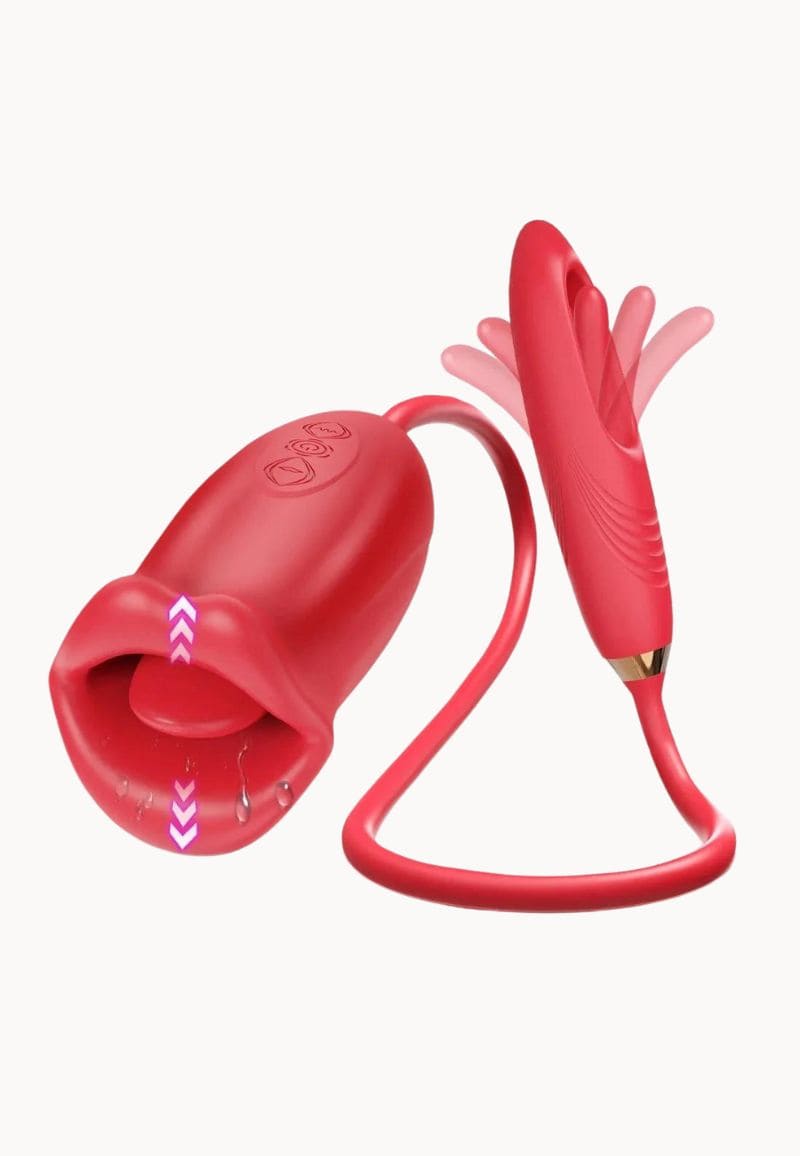
- Rabbit vibrator (external + internal): practical if you like to vary the sensations, but choose one with very gradual adjustments.
Most pregnant women end up preferring external birth, simply because it is more comfortable, more controlled, and often more effective than one might imagine.
Criteria to prioritize (and those to avoid)
Let me be very clear: during pregnancy, you're not looking for "the most powerful vibrator." You're looking for the most comfortable one . One that respects your sensitivity, that doesn't irritate you, and that gives you total control.
- Preferred option:
- Smoothness : pleasant vibration, not too "dry"
- Multiple levels : to fine-tune according to your sensitivity on any given day
- Medical-grade silicone : non-porous, healthier, easier to clean
- Quiet : to relax without feeling "watched" by the noise
- Waterproof : easier cleaning and more reliable hygiene
- To avoid:
- Too powerful without fine-tuning : you risk suffering rather than enjoying.
- Porous materials : less hygienic, retain more bacteria
- Aggressive shapes : too rigid, too thick, or too "intrusive" if you are sensitive
One last, very simple piece of advice: if you're hesitating between two models, choose the one that inspires the most confidence and tenderness . Because pleasure, especially during pregnancy, often begins in the mind: when you feel confident, the body follows.
In summary: vibrators and pregnancy, the checklist before use
Quick recap : if you want to enjoy yourself without asking yourself a thousand questions, here is the simple and reassuring checklist to reread before using a vibrator during pregnancy.
- My pregnancy is uncomplicated and I have no medical contraindications.
- I have no bleeding or unusual pain.
- I prefer a gentle approach : low intensity, slow movements, no pressure
- I start with external stimulation if I want the simplest and most tolerated option.
- I use a water-based lubricant if needed (often very useful).
- I clean my sex toy before and after each use.
- I stop immediately if I experience pain, contractions, discomfort, or any abnormal sensations.
- If in doubt , I ask my doctor or midwife for advice.
And between us… your pleasure isn't “forbidden” because you're pregnant. It might just become different: gentler, more subtle, sometimes even more intense. The most important thing is that you feel safe, respected, and fully in tune with your sensations.
Frequently asked questions about using a vibrator during pregnancy
Can a vibrator cause contractions during pregnancy?
Yes, this can happen, especially towards the end of pregnancy or if you are very sensitive. Some women experience Braxton Hicks contractions after orgasm or intense stimulation. In most cases, they are harmless and disappear with rest.
However, if the contractions become painful , regular or persistent, you must stop immediately and seek medical advice.
Is it safe to use a vibrator during the first trimester of pregnancy?
In an uncomplicated pregnancy , yes , it's generally possible. The most important thing in the first trimester is to take it easy: gentle intensity, short sessions, and zero pressure. Many women are more tired or nauseous, so the desire can vary greatly.
If you have bleeding , pain or a high-risk pregnancy, it is best to seek advice from your doctor or midwife.
Is a clitoral vibrator safer than a penetrative vibrator during pregnancy?
Very often, yes . Clitoral vibrators are generally better tolerated because they don't involve penetration and are easier to control and stop. They're often the most comfortable option, especially if your body is more sensitive or if you experience pelvic pressure.
And between us… it’s also the one that often offers the most “easy” sensations to enjoy, without stress.
What are the signs that should prompt immediate cessation (pain, bleeding, etc.)?
- Bleeding , even slight bleeding
- Unusual pelvic or abdominal pain
- Regular contractions or contractions that increase after stimulation
- A marked feeling of unease or discomfort
- Loss of fluid or doubt about the amniotic sac
In these cases, we don't "test just to see". We stop, we rest, and we seek medical advice if necessary.
Which lubricant should I choose when pregnant and using a vibrator?
Most often, the best choice is a water-based lubricant . It is generally well-tolerated, compatible with silicone sex toys, and gentler on mucous membranes that can sometimes be more sensitive during pregnancy.
Avoid scented, warming, or "hot/cold" lubricants, which can cause irritation.
Is it safe to use a vibrator in late pregnancy if you experience sensations of pressure or discomfort?
Yes, sometimes, but with a lot of adjustment. If you feel pressure, opt for external stimulation , reduce the duration, and keep the intensity very low. If the discomfort increases or if it triggers bothersome contractions, it's best to stop.
The right indicator is simple: if your body relaxes, that's a good sign. If it tenses up, slow down or stop.